*I may earn a small commission from affiliate links*
I first had my varicose veins treated back in 2020. At the time, I did not realize that while the procedure itself was technically done correctly and the vein issue was resolved, it was far more painful than it needed to be. I did not have long term complications in the sense that the vein was handled and that leg is fine now, but the experience surrounding the procedure and recovery was unnecessarily difficult.
I ended up with cellulitis because my leg was not properly prepped or cleaned, and the follow up care was lacking. Because of that, the procedure itself was extremely painful, the recovery was rough, and the catheter insertion site on my leg stayed very sore for a long time. That experience caused me to drag my feet for years when it came time to get my right leg treated, even though it eventually became worse than my left leg ever was.
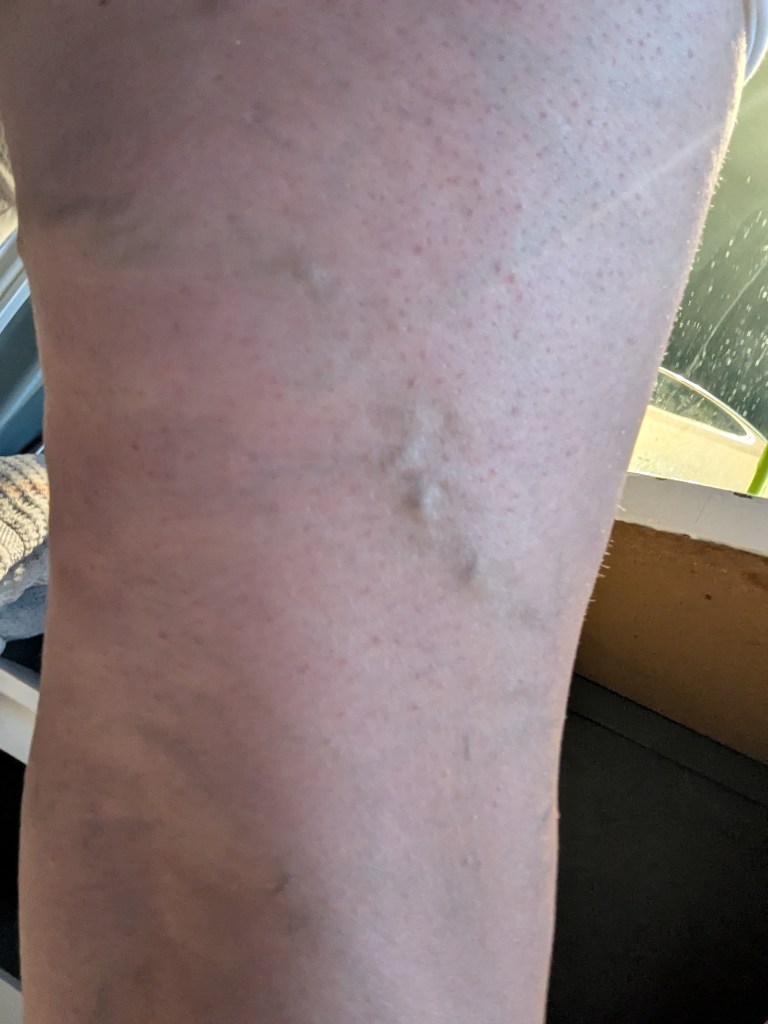
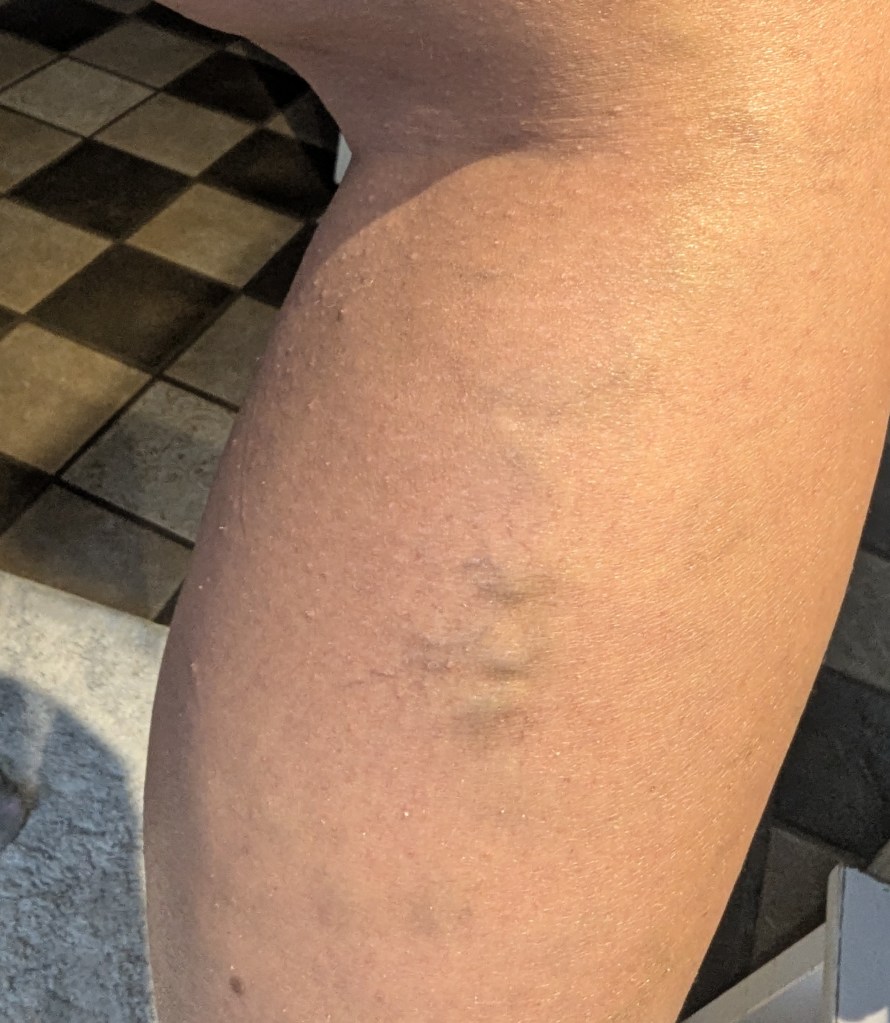
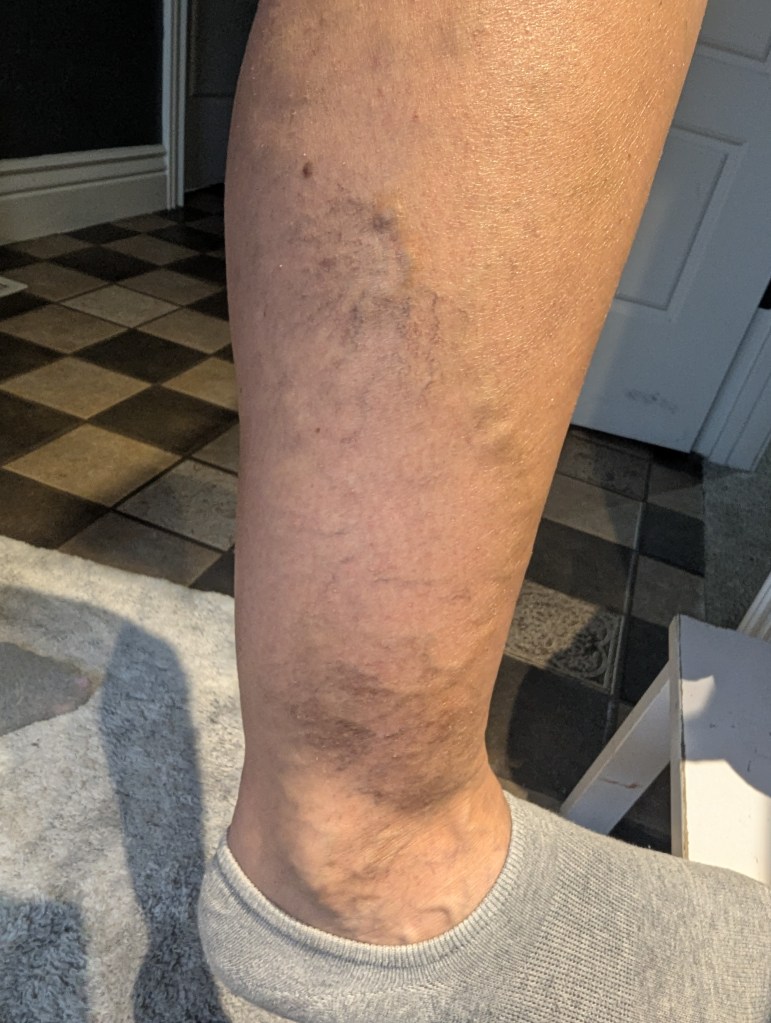
My right leg reached a point where it was not only cosmetically uncomfortable to look at, but genuinely painful. Driving hurt. Any pressure on that leg hurt. I also had significant blood pooling near my ankle on the outside of my lower leg. The clinic I originally went to told me nothing could be done about that area, which only added to my hesitation.
Eventually, the pain forced my hand and I went in to have my right leg treated. What I learned is that the right vein clinic makes all the difference. This second experience was night and day compared to the first, in the best possible way.
The most obvious symptom was the bulging varicose veins you could see, but because they were so large, they were also painful. Driving was especially uncomfortable. The pooling of blood near my ankle was another major issue, and this time the clinic assured me it could be treated.
For anyone local to my area, I went to Teton Radiology Vascular Clinic in Caldwell, and they were incredible. The process starts with getting a referral. I went to my OBGYN, who was able to put it in for me, but a primary care provider can also do this. While some vein clinics technically accept patients without referrals, it is much harder to get in without one. Having a referral gets you into their system faster.
Once accepted as a patient, the next step is an ultrasound of both legs. This appointment took about 45 minutes and was completely painless. They look for vein reflux, which is when the valves are not properly pushing blood back up the leg, and they measure the size of the veins, especially in areas where you have pain or visible issues.
My left leg looked great. The vein that had previously been treated was closed and showed no reflux. My right leg, however, showed reflux in the lower portion, which matched my symptoms of blood pooling near the ankle. The varicose veins were also larger in diameter than normal.
For insurance to cover the procedure, the veins have to meet certain criteria. Years earlier, my right leg had not been considered severe enough. This time, it was. While clinics can treat veins out of pocket, it can cost thousands of dollars if insurance does not cover it, so meeting those requirements matters.
After the consult, there was a short wait for insurance approval, which took only a couple of weeks. The clinic could have scheduled me quickly, but I delayed slightly due to my schedule and some lingering fear from my first experience. I expected pain and downtime again, but that was not the case at all.
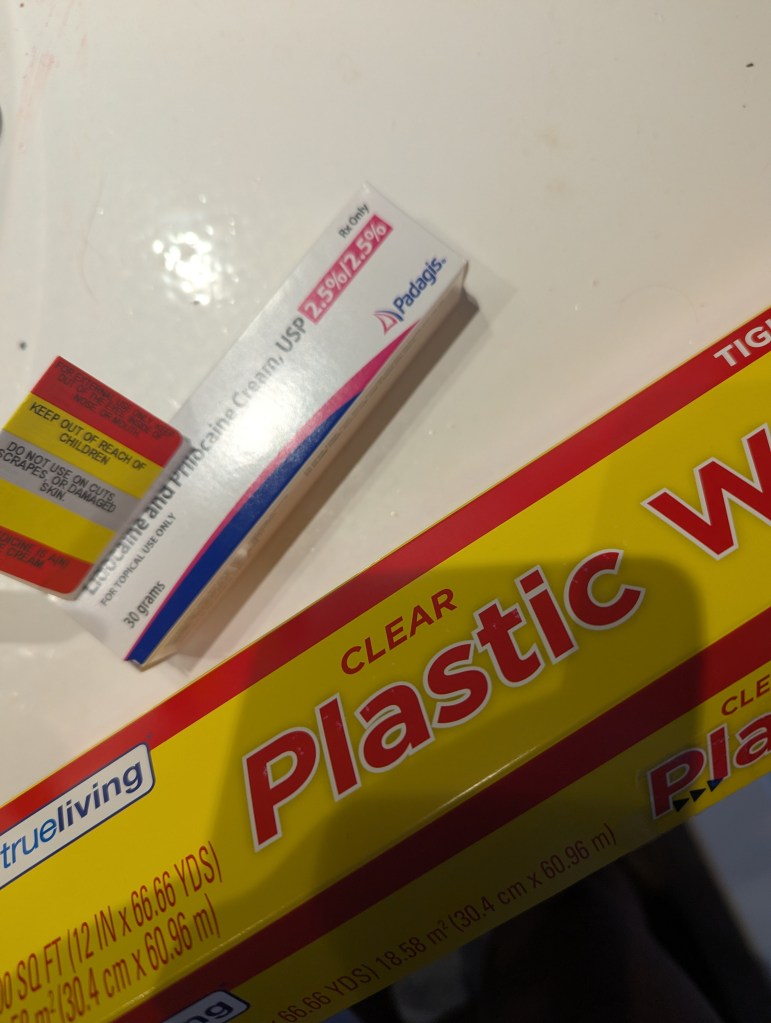
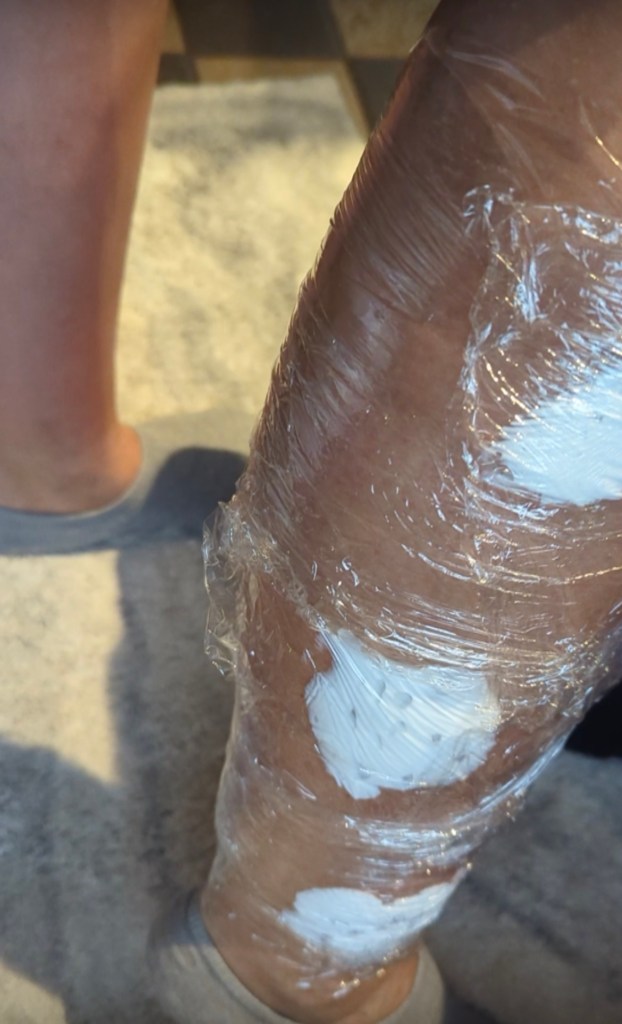
Before the procedure, the clinic provided Amla cream to apply to the outside of my leg a couple of hours beforehand. You wrap your leg to let it numb the skin surface. It does not numb anything internal, but it helps with the injections. The procedure is done entirely in the clinic, with no anesthesia and no food restrictions.
Because it was my right leg, I had my husband Chris come with me, which was a good choice. During prep, the nurse washed off the numbing cream and thoroughly scrubbed my leg with a medical cleanser, something that was not done the first time and likely contributed to my infection back then. My leg was also scrubbed with iodine, which turns your skin a yellow orange color but is an important step for sterility.
I was given a Toradol injection in my thigh for pain management, which honestly was the most uncomfortable part of the entire procedure. Once prepped, I laid on the table and my husband stepped out since it is a sterile procedure.
The doctor explained that I might fall asleep, which I did not believe at first, but he was absolutely right. The procedure was painless. I received a few small lidocaine injections, which were just tiny pokes and did not hurt. Using ultrasound guidance, the doctor inserted a catheter into the vein at the back of my calf and treated it by closing and burning the vein from the inside. I felt nothing. The vein is lifted away from surrounding tissue during this process, so there is no heat sensation at all.
This method was completely different from my first procedure, where foam was used. That recovery was uncomfortable, tight, itchy, and painful. This time, there was none of that. They also treated the larger visible veins near my ankle using sclerotherapy injections. During my first experience, this part hurt badly. This time, with proper pain management, I felt nothing.
Sterile strips were placed over the insertion site, which healed beautifully. I cannot even see a scar, and it healed much faster than before.
Recovery was straightforward. I took it easy the day of the procedure and wore compression garments as instructed. Compression socks are often required by insurance before approval as a conservative treatment. If you are purchasing them yourself, my recommendation is to buy them online rather than from a medical supply store. The medical versions are expensive and uncomfortable. Just ask the clinic what compression level you need.
Because my procedure went higher up my thigh, I wore compression shorts along with knee high compression socks for ten days. I skipped one day and immediately felt the difference, so I strongly recommend following the compression guidelines closely. After those ten days, the improvement was incredible.
Bruising can take several months to fully fade. I used an Arnica based cream that seemed to help speed that up. There can be some firm or lumpy spots where the vein is being absorbed, but those gradually soften and disappear, and they are not painful after the initial recovery period.
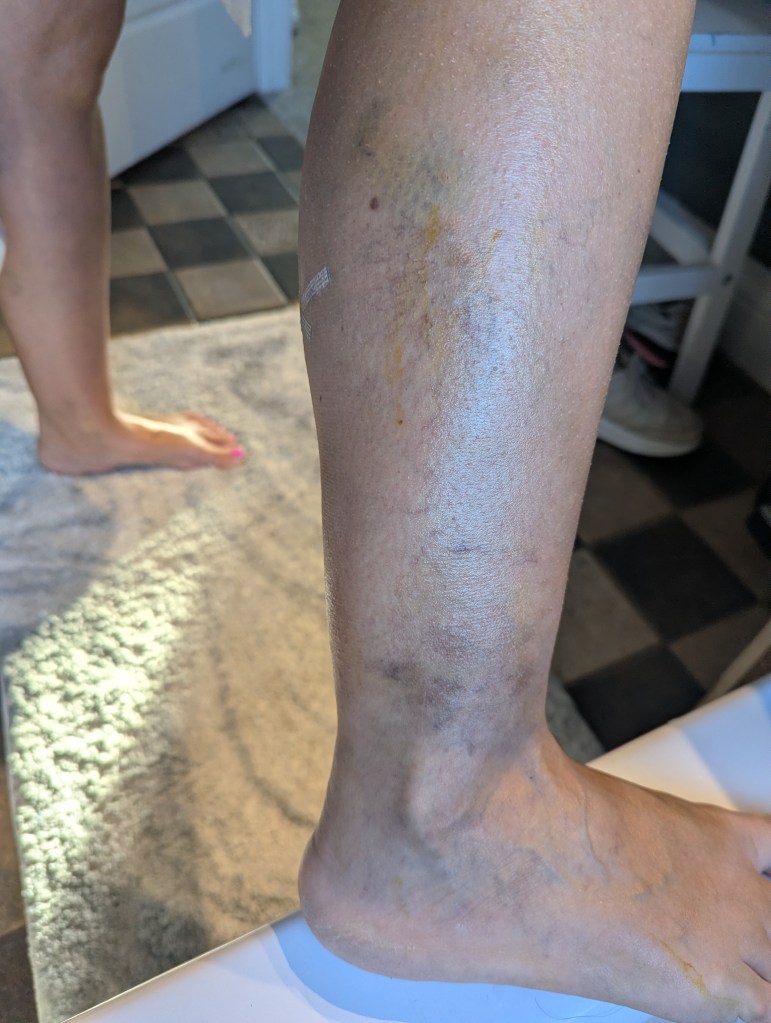
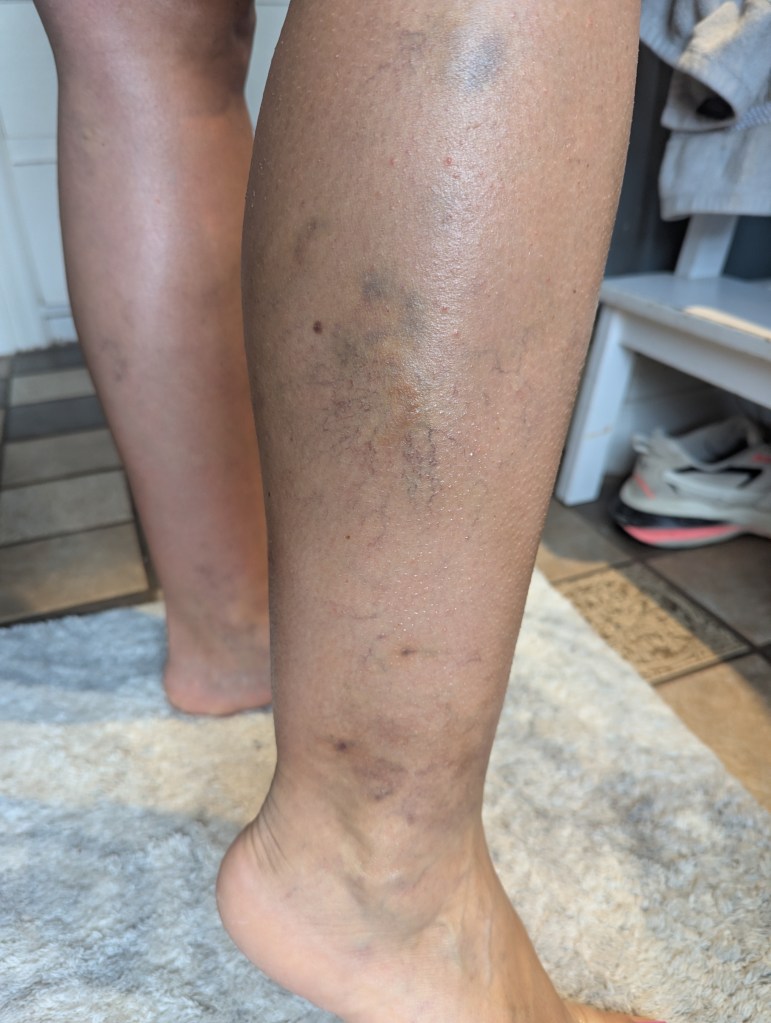
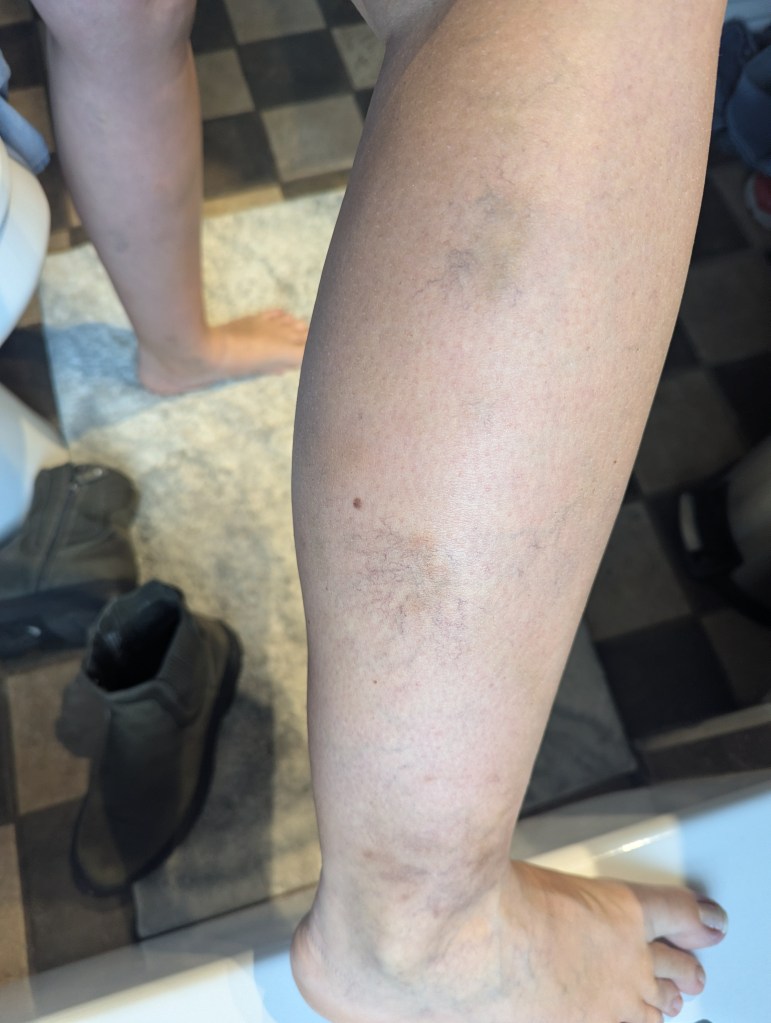
Overall, I am extremely pleased with my results. As moms, it is often hard to prioritize our own health, but this procedure has genuinely improved my quality of life. If you are dealing with painful varicose veins, I highly recommend getting them treated. The recovery was far easier than I expected, very manageable as a mom, and absolutely worth it.

 Terms & Prvacy policy