I have been teaching kids how to read for seven years now, and there is a lot I have learned along the way. As we start a new year, maybe you are in the season of teaching a child to read too. I wanted to share some of the most important lessons I have learned while teaching my own kids.
One of the biggest lessons was the gap between my expectations and reality. I expected teaching kids to read to be easy. The reality is that most of the time, it is not. Sometimes you get that magical child who picks it up quickly, learns almost effortlessly, and suddenly you are telling everyone how young they were when they started reading. Other times, you have kids like mine where learning to read takes a lot more time.
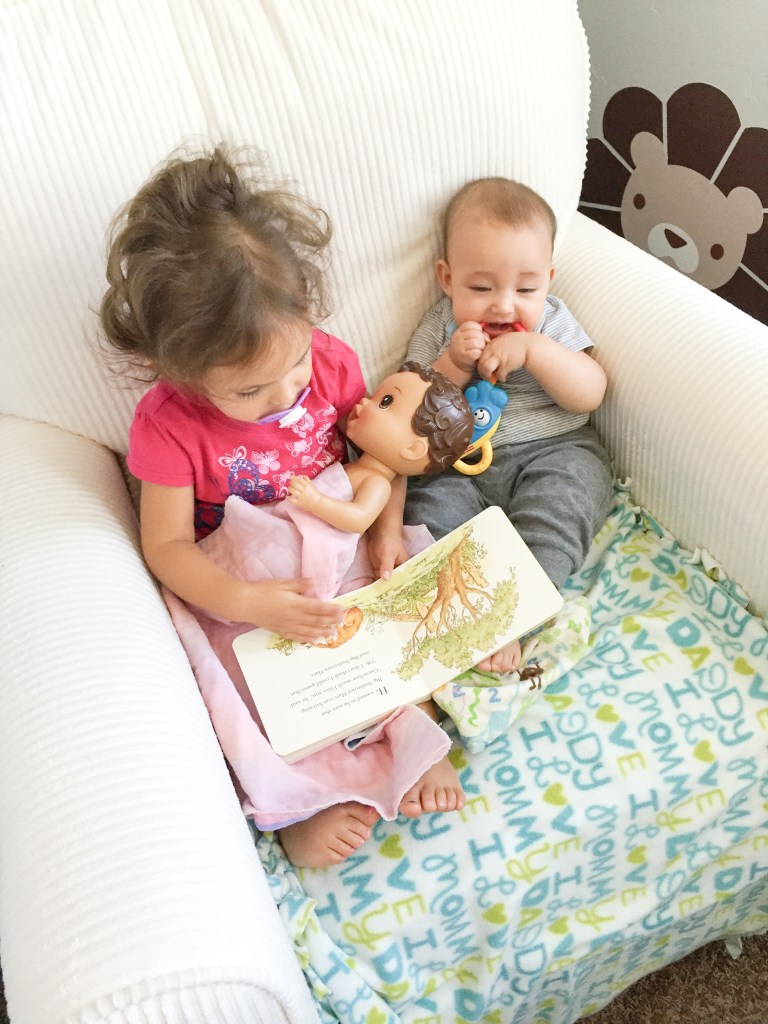
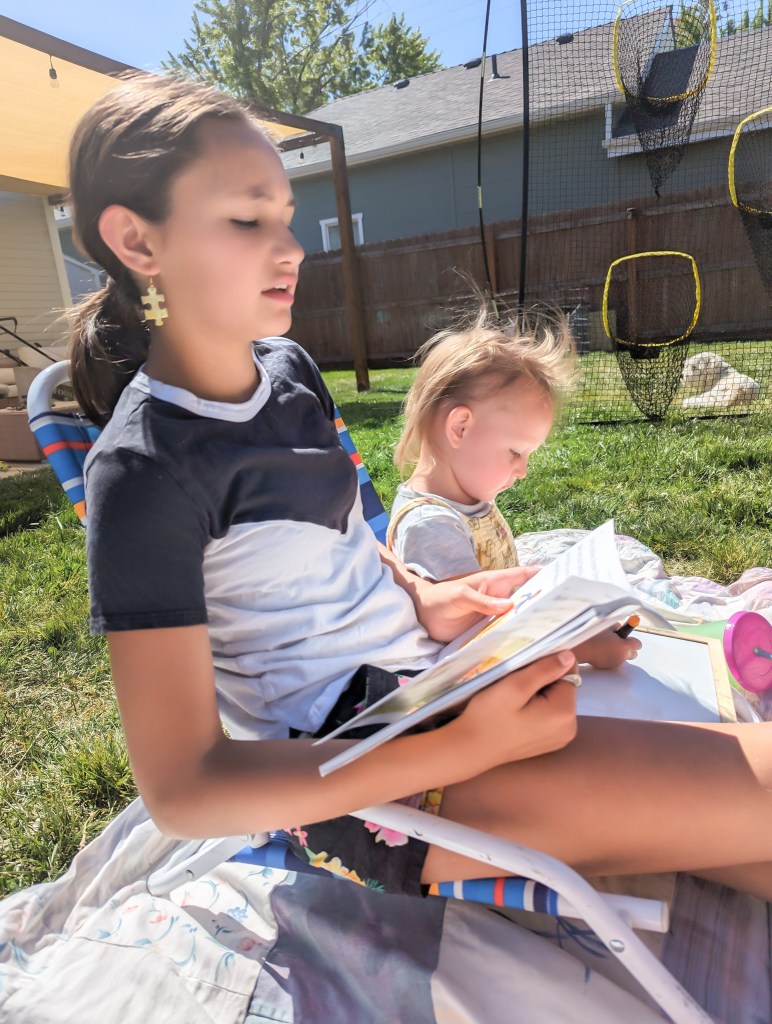
A couple of my children learned fairly quickly. A couple of others struggled. Some did not love learning, so they did not put much effort into it. Others had genuine challenges. My oldest has dyslexia, and I did not know that when I first started teaching her how to read. That discovery completely changed what teaching reading looked like in our home.
I truly believed that teaching my kids to read would be one of the simpler parts of homeschooling, but I was wrong. One thing I wish I had done differently is take a course myself on how to teach someone to read. Even a short, self guided course that explained the process, the key things to watch for, and a basic step by step framework would have been incredibly valuable. Instead, I felt like I was grasping at straws. I bounced between recommendations, used books that were not a good fit for my older two, and felt completely lost at times. If I could go back, I would tell myself to learn how reading instruction actually works before diving in.
Another important thing I learned is that every child learns to read differently. You may have a child who loves reading and catches on quickly. You may have a child who can mentally handle reading for only five minutes a day before their capacity is completely filled. That is okay. It is normal for it to look different from child to child. Different does not mean behind. It means they are learning in the way that works for them.
Progress in reading is not linear. We often think of learning as mastering one thing and then moving on to the next, but reading does not work that way. Reading includes decoding, spelling, writing, and comprehension. A child may thrive in one area and struggle in another. They may comprehend beautifully when you read aloud to them but understand very little when they read out loud themselves. These differences are normal and expected.
I have learned to expect uneven progress and to trust that it is still progress. Recently, I had a really sweet moment with my older two when they shared that they feel ready to push themselves more in reading. Up until now, I have taken a relaxed approach. I expect them to practice, but I have not forced rigid timelines or strict requirements. I wanted them to develop a love for reading first, and I am starting to see that spark. It has been incredibly encouraging.
I have also learned that confidence matters more than speed. Constantly timing kids or quizzing them on how fast they can read can destroy confidence. I do not time my kids, even when workbooks recommend it. I care far more that they finish reading, learn the words, and feel capable than how quickly they get through a passage. Reading becomes closely tied to a child’s identity and self belief, and how we approach it really matters. There is a balance between knowing when to push and when to offer grace, and that balance looks different for every child.
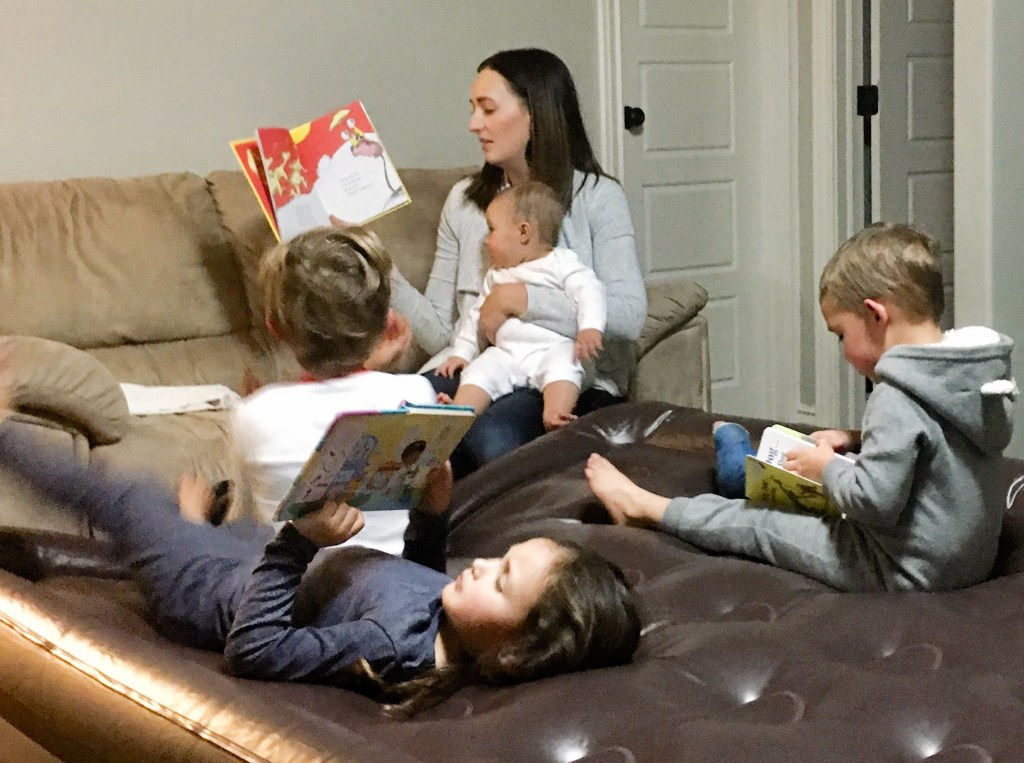
Reading aloud has been one of the greatest gifts in our homeschool. I love reading to my kids, and I need to start doing it again more consistently with my older ones. Reading aloud creates connection, shared stories, and something to look forward to together. It is one of the simplest and most meaningful parts of learning to read.
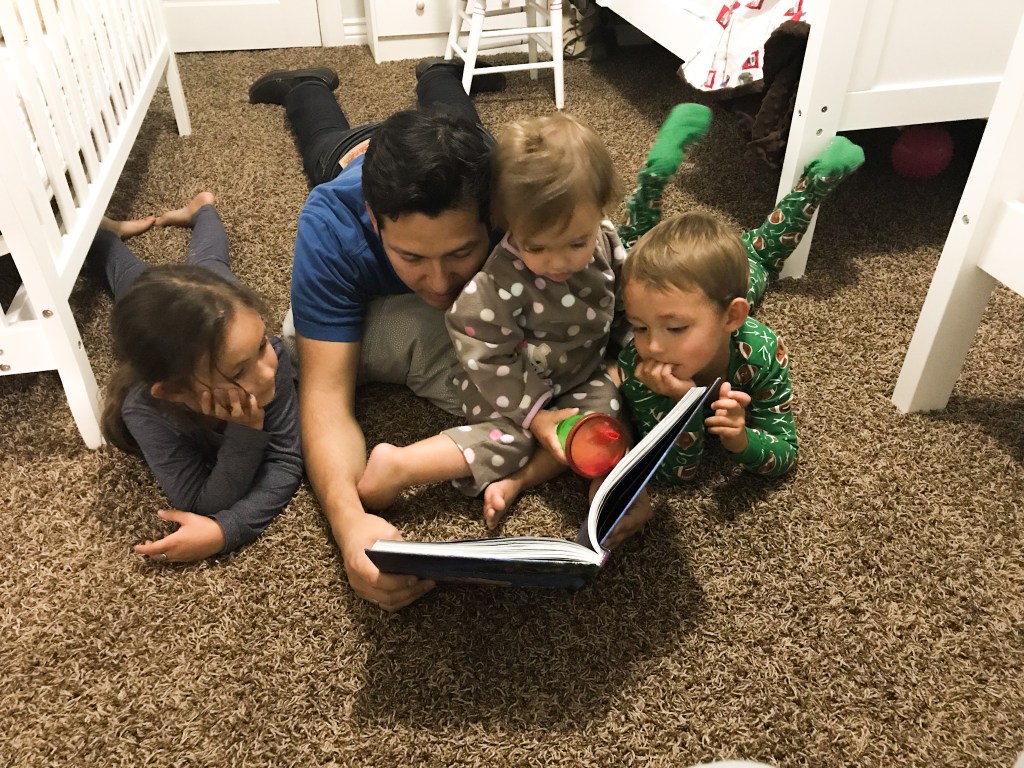
I have had to let go of timelines, comparison, fear of doing it wrong, outside opinions, and the idea that kids are behind if they are not reading at a certain level by a certain age. Learning to read is an individual journey. As long as a child is practicing a little bit every day, that is what matters.
Your child is not failing. They are not broken. They are not incapable. If I could go back to the beginning when my daughter was five and struggling, and if I could see her now, I would worry so much less. Small, consistent effort makes a huge difference over time.
Teaching my kids to read has taught me patience, trust, and grace. It has been one of the hardest things I have ever done, but also one of the most meaningful. Celebrate the milestones, even the small ones. When progress feels invisible day to day, remember that reading a little at five and reading a little at thirteen will look completely different. That is where you will see how far they have come.
Take pride in being the one who taught your children such an important life skill. Caring enough to walk them through this process matters. You are doing a good job.

 Terms & Prvacy policy