* This is not intended to be legal advice. Please conduct your own research for the laws concerning your area.
If you’re thinking about starting homeschooling — whether your children are currently in public school or you’re beginning their education journey from the start — this post is for you. As a homeschooling mom of five, I’ve learned that starting doesn’t have to be overwhelming. Here’s exactly what I would tell a new homeschooling mom to do first.
1. Check Your State’s Homeschool Laws
If your child has been in public school, your first step is to withdraw them with the intent to homeschool.
How you do this varies by state, so the best resource to start with is HSLDA.org.
When you visit HSLDA, you’ll find a map that shows how each state regulates homeschooling — from no notice required to high regulation. Click on your state to see a video and article explaining how to comply with your local homeschool laws, along with steps for officially withdrawing your child if needed.
For example, we’re in Idaho, which is a low-regulation state. Here, we don’t need to report to anyone that we’re homeschooling, but in some states, you do.
Tip: Bookmark HSLDA! It’s an invaluable resource that gives you clear action steps to stay compliant with your state’s homeschool requirements.
2. Remove the Expectation That Homeschooling Looks Like Public School
This is the number one mindset shift I recommend.
Homeschooling is not public schooling.
Public schools are designed to manage large groups of children — and you don’t need those same systems in your home. I have yet to meet a homeschool mom who tried to replicate a traditional classroom setting and found success with it.
If your children are transitioning from public school, you may experience resistance like, “You’re not my teacher.” That’s completely normal! In that case, I recommend deschooling — taking a short break from structured lessons to reset and reconnect.
During deschooling, try activities like:
- Watching a YouTube tutorial together (like painting or a craft project)
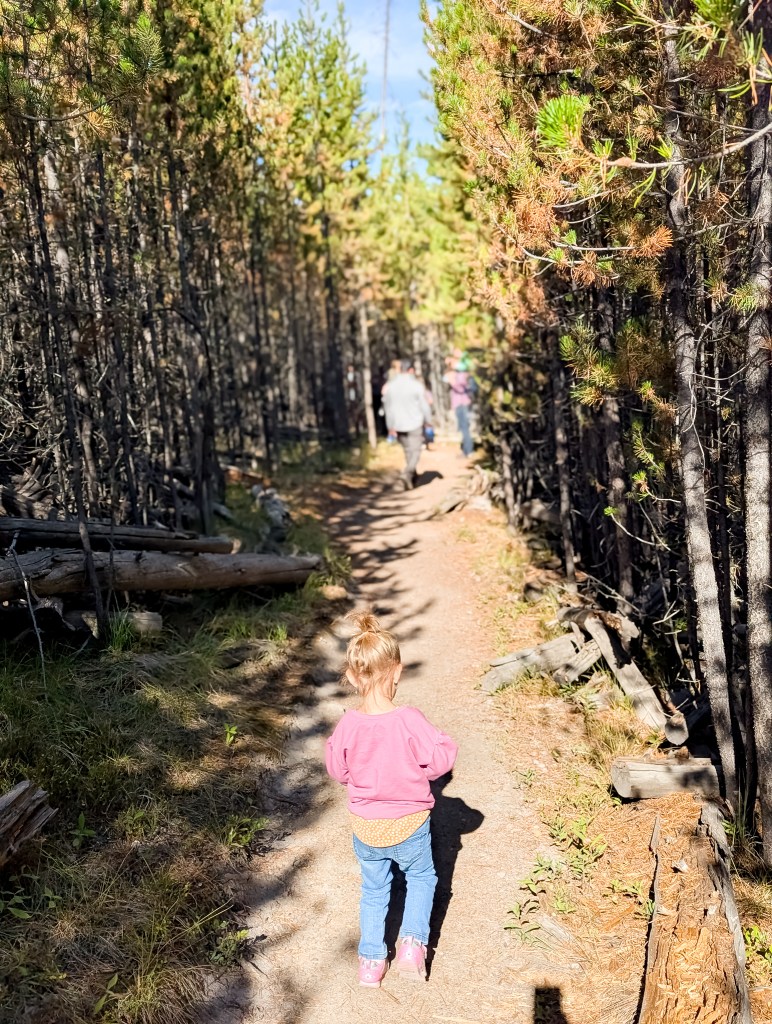
- Going outdoors for nature exploration
- Doing an art or building activity where you give gentle instructions
Then, ease back into structured learning slowly — start with one subject, then gradually add more. This helps both you and your child adjust to this new learning rhythm.

3. Choose Just Two Core Curriculums to Start
When you’re new, the world of homeschool curriculum can feel wildly overwhelming.
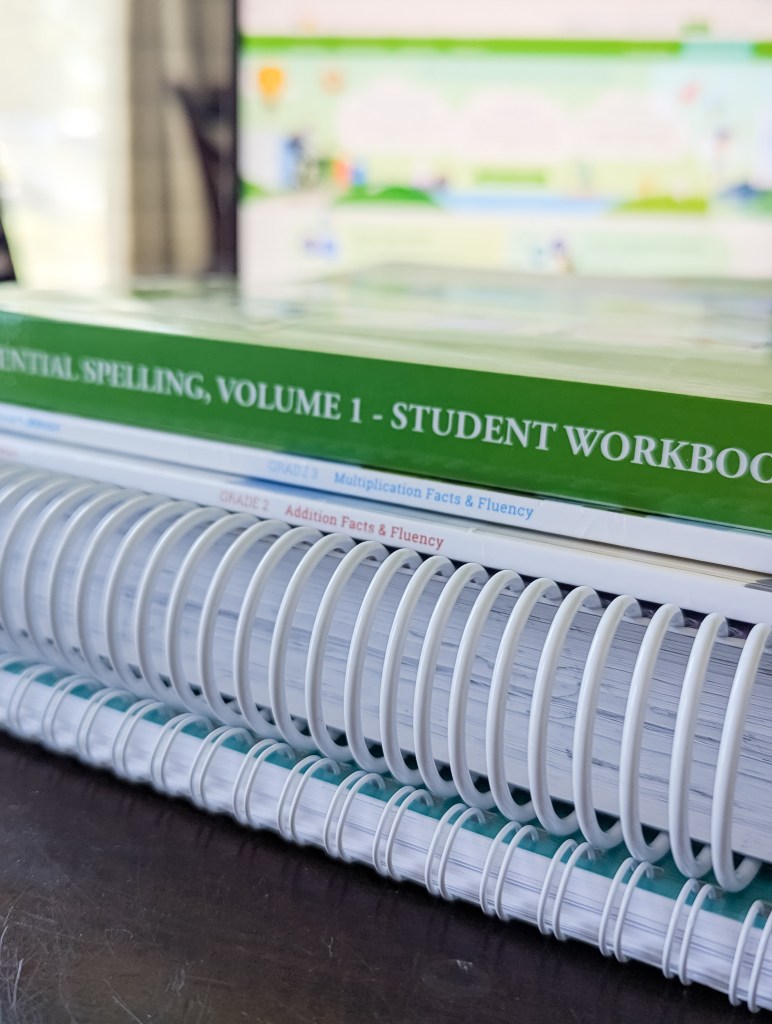
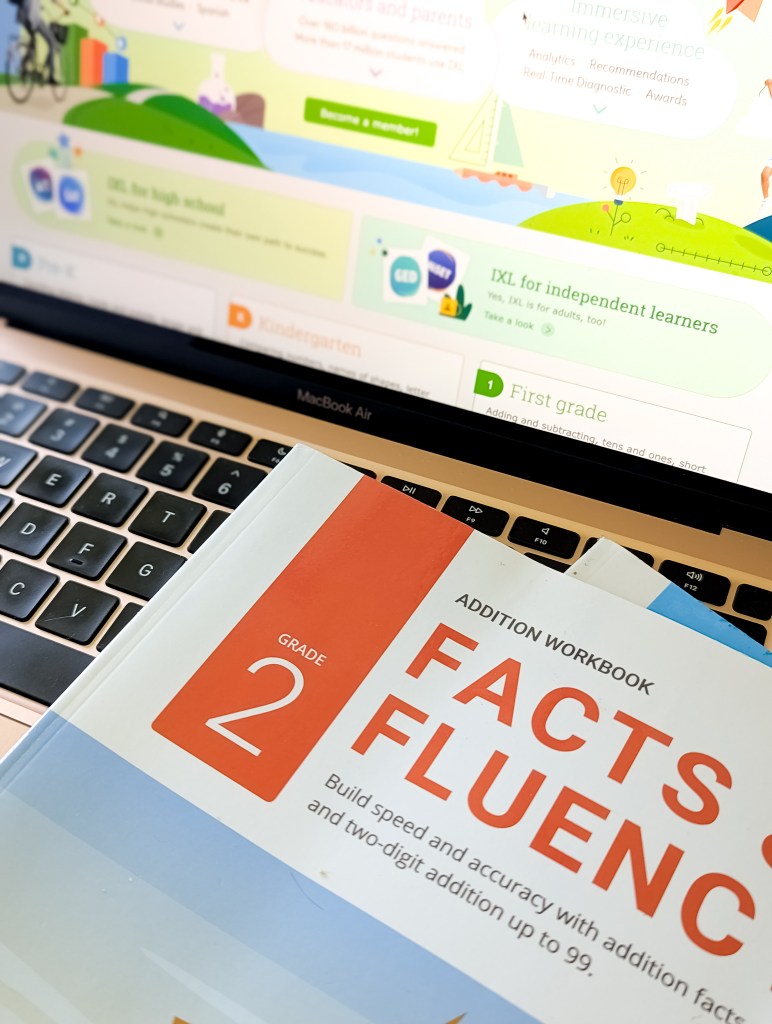
My advice? Start small. Pick Language Arts and Math first.
Those are the two subjects that are harder to “wing” without a structured resource. Science, history, and art can easily be explored through nature walks, read-alouds, and projects later on.
For our family, I love The Good and the Beautiful for both Language Arts and Math (especially in grades K–3). It’s beautifully designed, easy to use, and engaging for younger learners. Around 4th grade, we transition to something else since their spiral approach becomes a bit repetitive for us — but for early elementary, it’s fantastic.
4. Create a Rhythm, Not a Schedule
Instead of focusing on rigid schedules, create a daily rhythm that fits your family’s flow.
Here’s what our rhythm looks like:
- Get up
- Move your body
- Eat breakfast
- Have devotional time
- Do housework
- Do schoolwork
- Play
We don’t have strict start times or deadlines. What matters is that everyone knows what to expect next.
Find what works for your family — maybe your rhythm is more structured, maybe it’s loose and flexible. Either way, give yourself and your children permission to move through the day without the pressure of bells and deadlines.
Remember: learning happens over time. You don’t need to finish every math lesson by a certain date. Take that time pressure off — it’s one of the greatest gifts of homeschooling.
5. Find Your Community (When You’re Ready)
Connection matters — both for you and your kids. But it’s okay if that doesn’t happen right away.
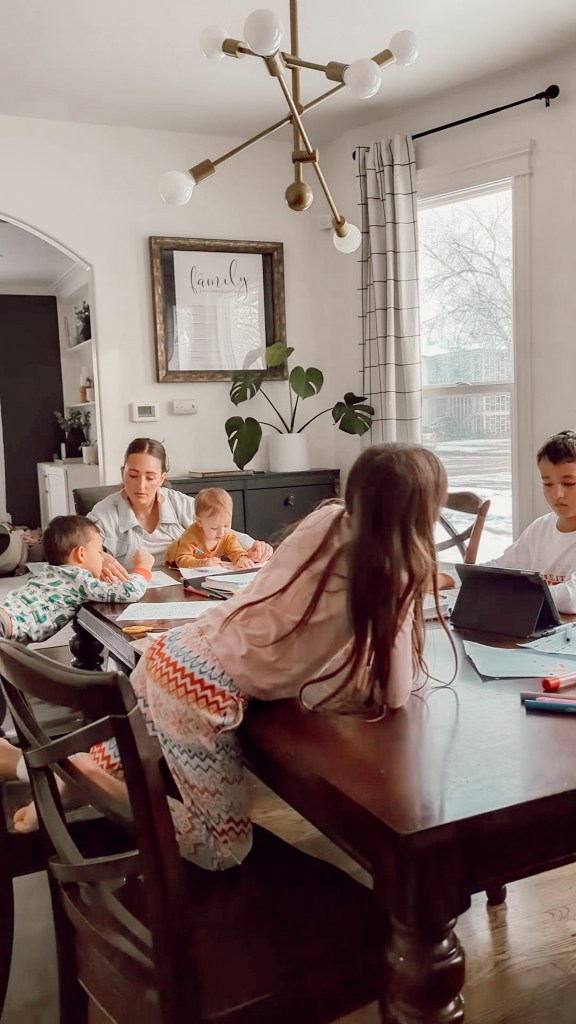
For years, we didn’t join co-ops or groups because I had little ones — nursing babies, napping babies, pregnancies, and all the beautiful chaos that comes with it.
Now that my kids are older, we’ve joined a pod school, taken co-op classes, and added music lessons, sports, and dance.
You might thrive in one or two co-ops, or you may prefer the freedom of doing your own thing. There’s no right or wrong way — just what works for your family. And remember, that can change as your family grows and evolves.

6. Redefine “Progress” and Let Go of Comparison
Please hear this: your kids are not “behind.”
The idea that every child should meet the same milestones at the same pace is a system built for standardized classrooms, not for individuals.
My measure for progress isn’t a test score — it’s independence.
Can they navigate daily life confidently? Can they read well enough to function in real-life settings? Can they tie their shoes, find the bathroom, follow directions, and communicate clearly in group settings?
Each child is unique. I have one who’s a mental math whiz and another who couldn’t care less about math facts — and that’s okay.
Our goal is not to produce perfect test-takers. It’s to raise lifelong learners who love discovery.
When you create a home that values curiosity over performance — where learning feels joyful, not pressured — your children will grow, thrive, and never lose that spark for knowledge.
Homeschooling is not about replicating the school system at home.
It’s about reclaiming your child’s love of learning — and your joy in watching it unfold.
Let it ebb and flow. Let it change as your family changes.
And most importantly, trust that you are equipped for this.

 Terms & Prvacy policy